I take the intellectual frameworks of legendary thinkers and turn them into software that scales their impact. I've been doing it for thirty years — from Regis McKenna's competitive positioning at Intel to autonomous AI venture creation.

I've spent my career at the intersection of visionary thinking and working code. Starting with diagnostic tools for the Apple // at age 15, I discovered what became a lifelong pattern: taking the intellectual frameworks of the world's most influential thinkers and turning them into software that scales their impact.
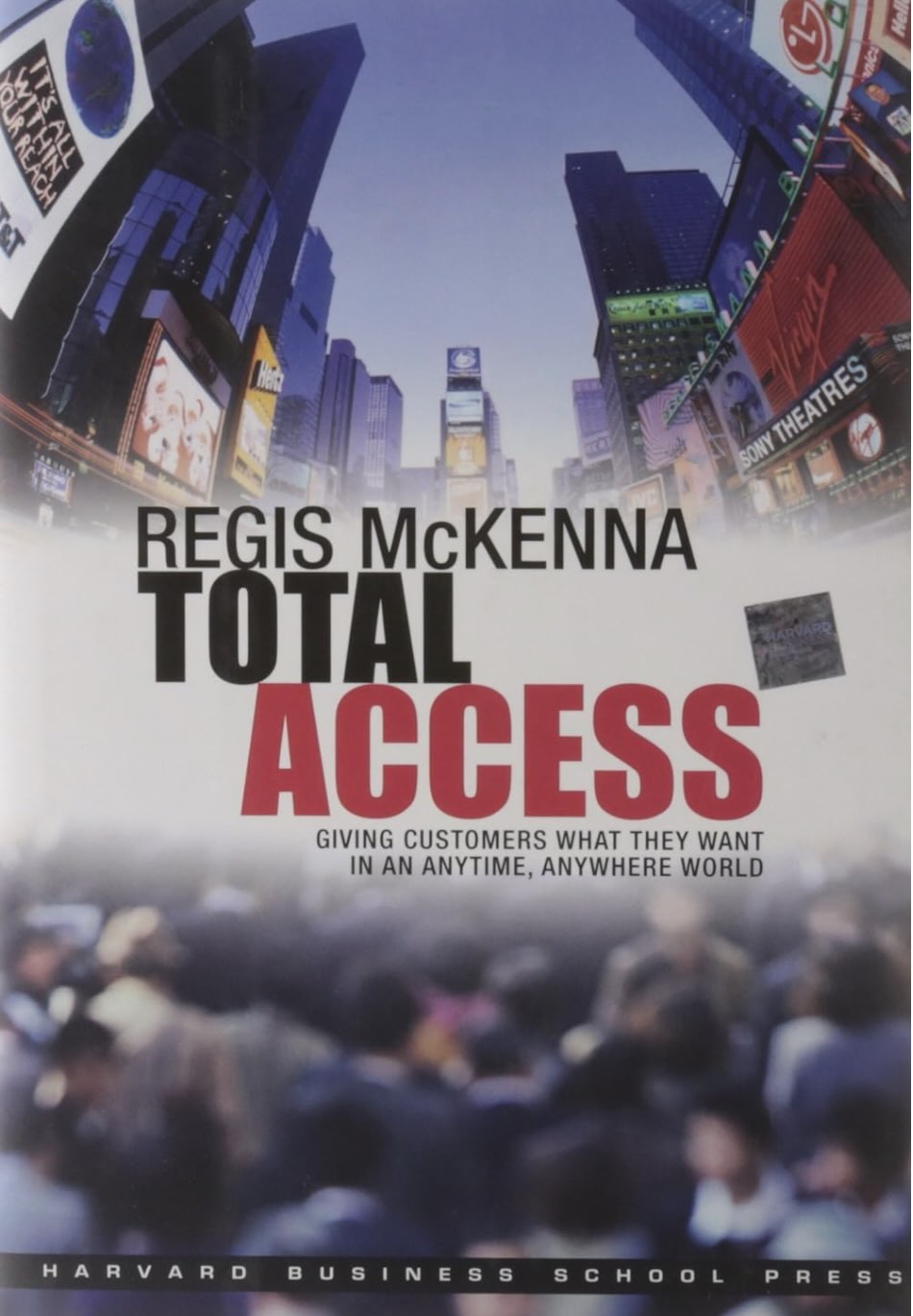
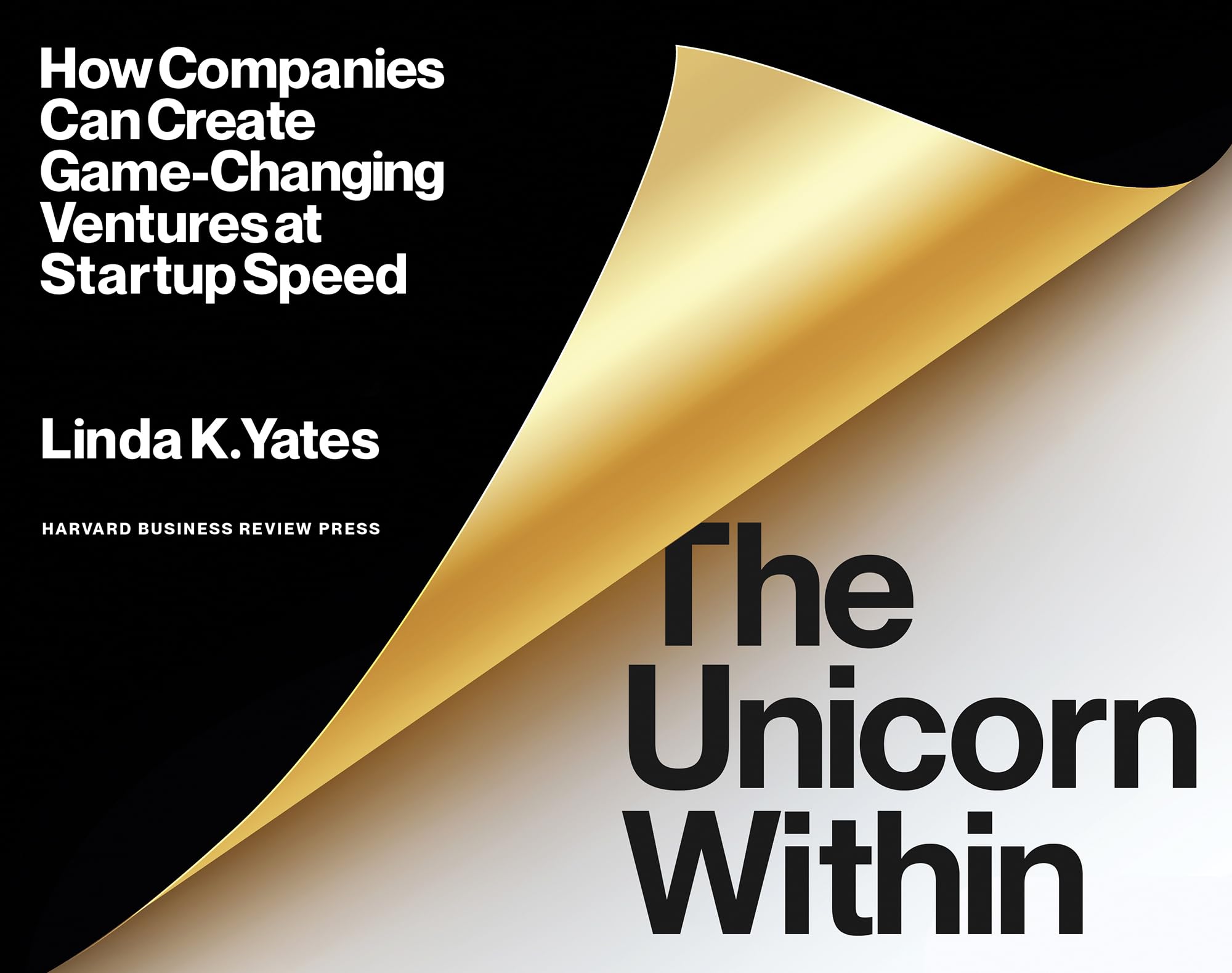
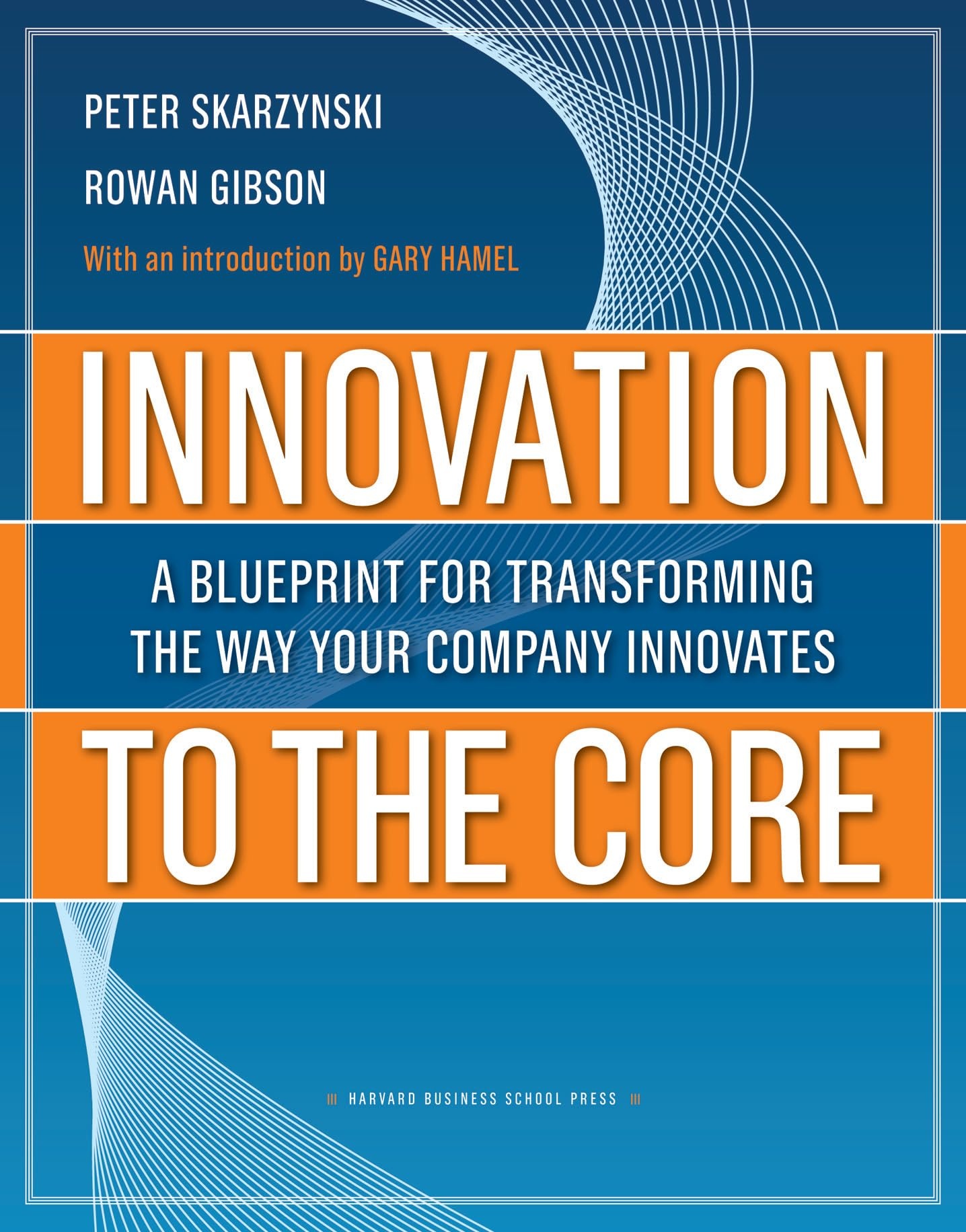
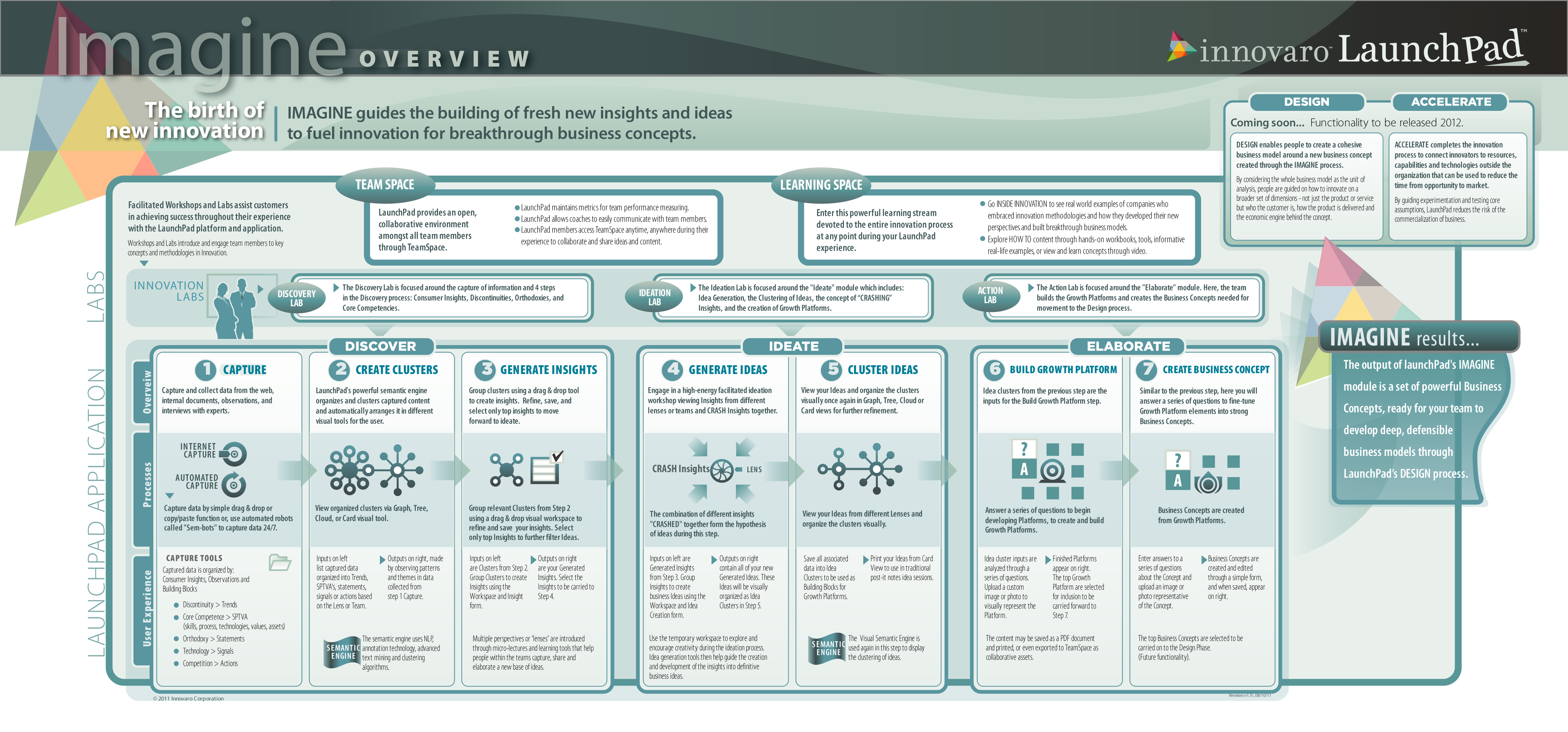
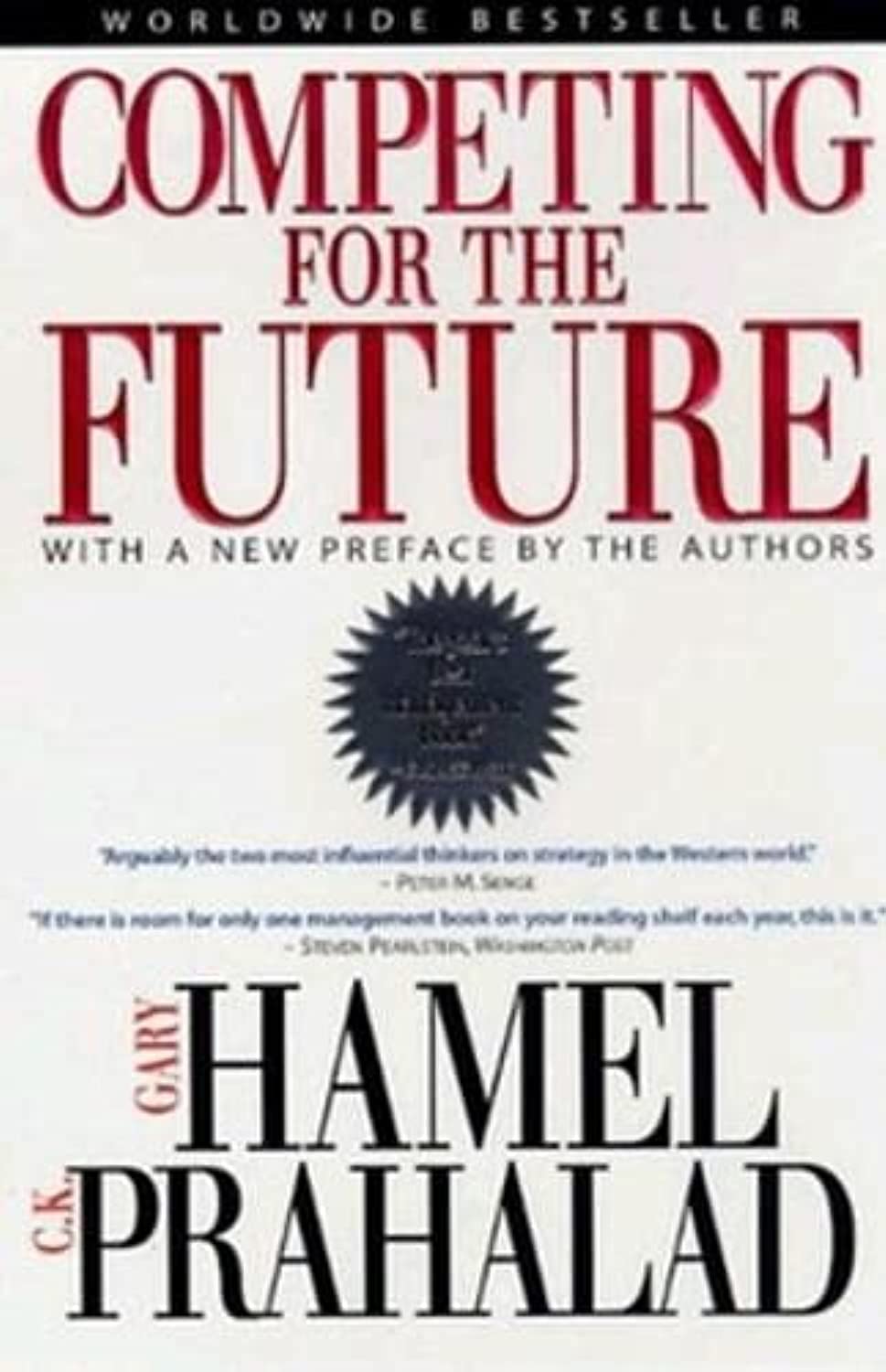
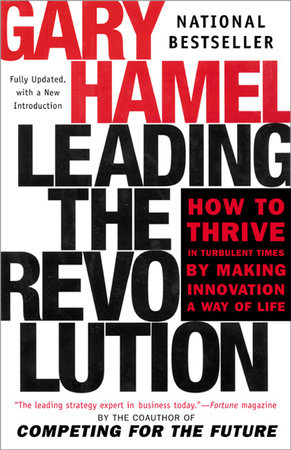
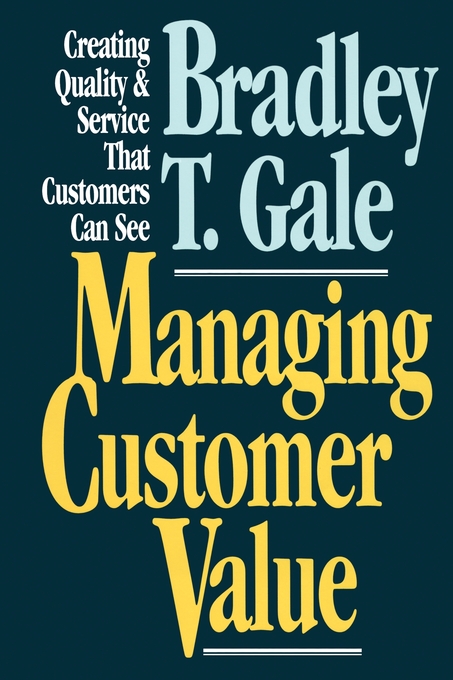
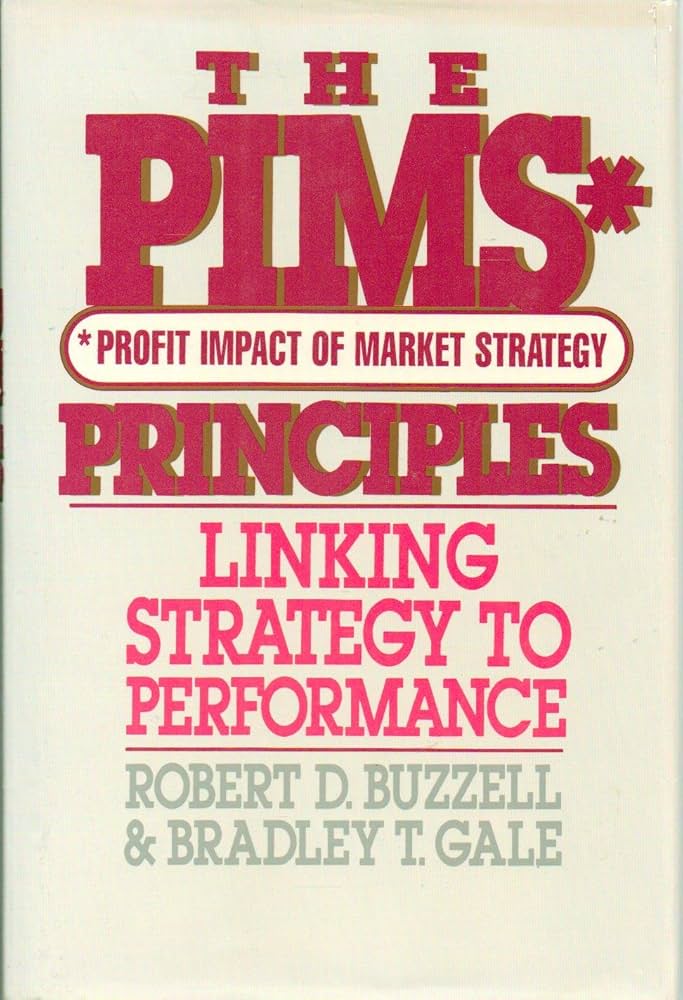
From Regis McKenna's competitive positioning to Gary Hamel's innovation frameworks, from Bradley Gale's customer value analysis to Linda Yates'growth incubation model — I build the platforms that make genius repeatable. Now, with Acceleràre and StudioLens.ai, I'm applying everything I've learned to replace the broken infrastructure of venture creation.
In the late 1970s, Intel was losing the microprocessor war to Motorola. Regis McKenna and Intel's sales team devised Operation CRUSH— a systematic competitive positioning methodology that became the blueprint for how technology companies win markets. That program also gave birth to Andy Grove's OKR framework, later carried to Google by John Doerr. I built the software that made CRUSH deployable.
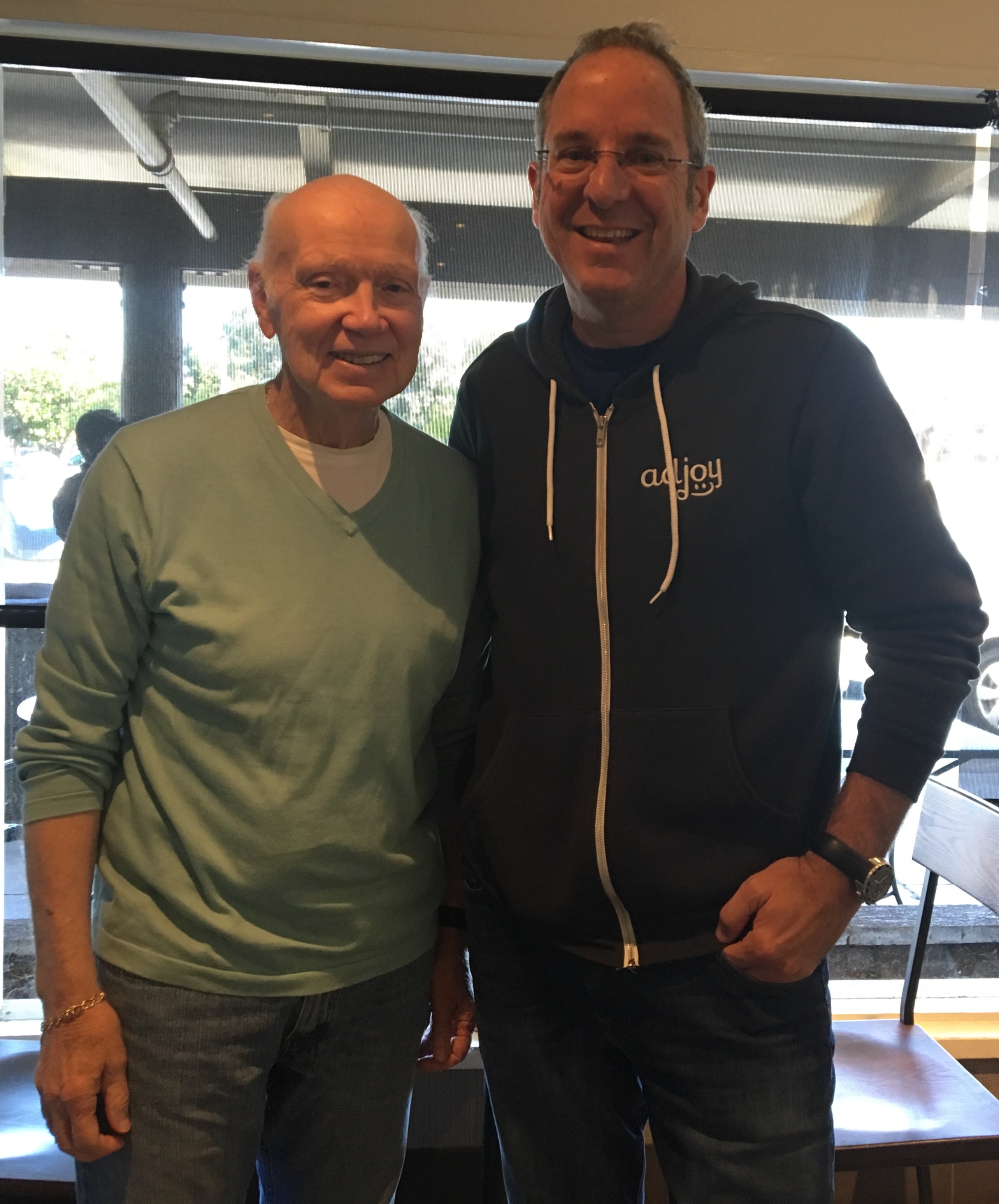
With Regis McKenna
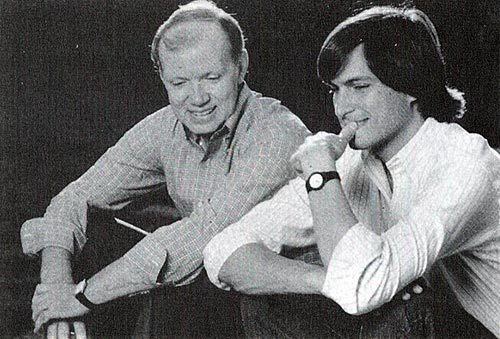
Regis McKenna & Steve JobsOriginal clip from the interactive platform era — Regis on the methodology behind the product.


Regis McKenna helped launch Apple, Intel, and Genentech. A mentor to Steve Jobs, he shaped how Silicon Valley thinks about markets and positioning. His CRUSH methodology — an 11-step process for understanding markets and positioning products for dominance — became the playbook for a generation of technology companies.
As Director of Development at Hands-On Technology, I led the team that delivered CRUSH 1.0 and authored POSM (Persistent Object Storage Manager), a custom data layer for Macromedia Director.
CRUSH proved that a thought leader's intellectual framework could be encoded as interactive software — wisdom made deployable. This became the template for everything that followed.
After CRUSH proved the model, I spent three decades building platforms that encode the methodologies of the world's most influential business strategists.


Long before AI agents became the defining paradigm of the 2020s, I was building autonomous software agents in Java — founding one of the first Java shops in the country.
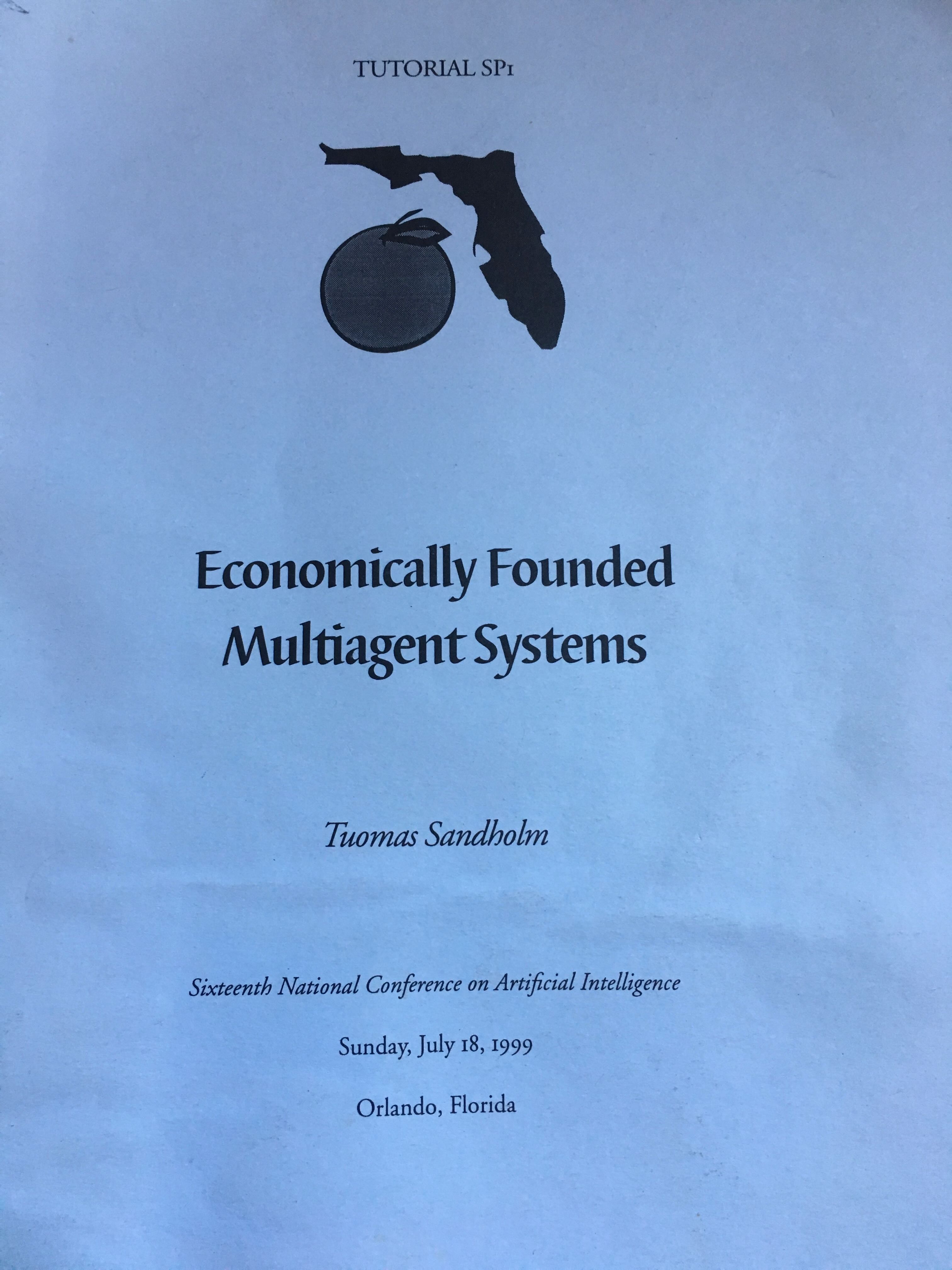
AAAI Multi-Agent Systems — 1999From JAWS in the late '90s → Tulli.ai's semantic agents in 2020 → StudioLens's autonomous research loop in 2026. A continuous thread of building systems that act on behalf of humans.
30+ years of building, newest first.
Innovations in network discovery, managed print, IoT monitoring, secure transport, and interview technology.